
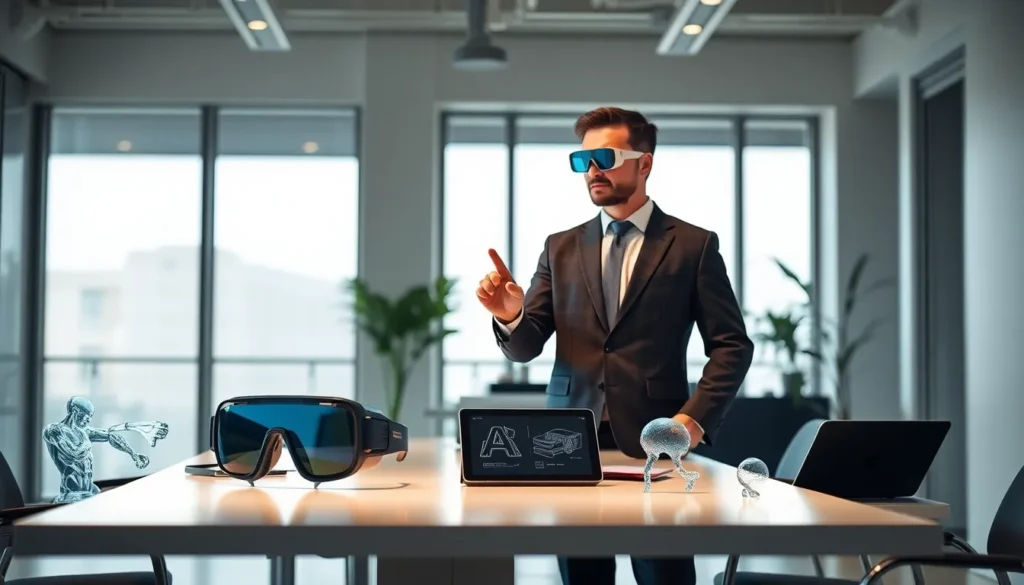
Imagine strapping on some sleek glasses and instantly seeing your favorite dinosaur roam through your backyard, right next to Fido. That’s not just a whimsical thought, it’s the magic of augmented reality (AR). As it continues to evolve, AR is changing the way we interact with the world around us. But for businesses looking to jump into this exciting realm, finding the right augmented reality development services is crucial. Whether it’s for education, gaming, or retail, the possibilities are endless. So, let’s explore the ins and outs of AR and discover how these development services can usher in a new era of innovation.
Understanding Augmented Reality (AR)

Before diving into the nitty-gritty of development services, it’s essential to grasp what augmented reality really is. At its core, AR overlays digital information onto the real world. Think of it as a bridge between physical and virtual realms. While the tech might sound high-tech, it’s already found its way into everyday life. Smartphone apps like Pokémon GO made AR accessible and fun, creating a massive wave of interest.
Also, AR differs from virtual reality, which immerses users in a completely virtual environment. In contrast, AR enhances perceptions and interactions with the real world. From educational apps that bring lessons to life, like anatomy explorations, to construction applications that visualize projects on-site, AR opens doors to creativity and practicality.
Applications of Augmented Reality
The applications of augmented reality are as diverse as they are impressive. Here are a few standout areas:
1. Retail
AR is revolutionizing how consumers shop. Imagine trying on clothes virtually without stepping foot in a store. Brands like IKEA provide apps that let customers visualize how furniture fits in their living spaces, creating a more interactive shopping experience.
2. Gaming
Gaming was arguably the first area where AR took off. Popular titles like Ingress and Pokémon GO have shown players that the real world can be as exciting as the virtual one. Games encourage physical movement and social interaction, elevating the gaming experience.
3. Real Estate
Gone are the days of merely browsing photos. With AR, potential buyers can take virtual tours of properties, viewing aspects of homes that may not even exist yet. It adds another layer to decision-making, helping buyers visualize their future environments.
4. Education
Education is evolving thanks to AR. Students can explore complex subjects, like chemistry or history, through immersive experiences. Visualizing atoms or walking through ancient civilizations transforms learning from passive to active.
5. Healthcare
In the medical field, AR aids complex surgeries by providing surgeons with real-time information overlays. It’s a game changer for education, allowing students to observe and interact with procedures in a controlled environment.
Key Components of AR Development
Developing an effective AR experience isn’t just a matter of snapping a few filters on an app. There are several critical components that must work together seamlessly:
1. Hardware
Devices play a fundamental role. Smartphones and tablets with appropriate sensors and displays are essential for AR experiences. But, specialized AR glasses are also gaining traction.
2. Software
AR software development kits (SDKs) such as ARKit for Apple and ARCore for Android provide developers with the necessary tools to create engaging experiences. It’s all about the right framework to bring ideas to life.
3. 3D Modelling
Images and animations need to be designed in 3D for an immersive experience. High-quality models enhance the believability of the augmented elements.
4. User Interface (UI) Design
A well-crafted UI ensures that users can interact with the AR experience intuitively. This means designing controls and menus that align with natural user behaviors.
5. Data Management
Managing data properly is key, especially for applications reliant on user input or location data. Ensuring swift processing will keep users engaged.
Benefits of Augmented Reality Development Services
Investing in augmented reality development services can significantly benefit businesses across various sectors. Here’s a roundup of compelling advantages:
1. Enhanced Customer Engagement
AR creates interactive experiences that capture attention. This is especially valuable in retail, where engaging potential customers can lead to increased sales through immersive product displays.
2. Brand Differentiation
In a crowded market, offering an AR experience can set a brand apart. Unique applications can captivate audiences and provide unprecedented interactions.
3. Improved Training and Simulations
For industries like healthcare or aviation, AR allows realistic training environments without real-world risks. Employees can learn effectively and safely, which is a substantial advantage for onboarding processes.
4. Data-Driven Insights
Many AR applications collect user interactions and preferences, providing businesses with invaluable data on customer behaviors. This information can drive future decision-making, enhancing overall strategies.
Choosing the Right AR Development Partner
Selecting the right development partner can make or break an AR project. Here are some guidelines to keep in mind:
1. Experience and Expertise
Look for developers with a solid portfolio of AR projects. Their experience will be invaluable in navigating challenges and ensuring quality.
2. Technology Capabilities
Ensure that the partner is well-versed in the latest AR technologies and software. Familiarity with various SDKs and platforms is crucial for creating robust applications.
3. Creative Vision
A good developer should not only be technically proficient but also possess a creative approach. They should be able to envision innovative applications tailored to specific audience needs.
4. Communication Skills
Strong communication fosters a collaborative relationship. The right partner should listen to ideas, provide feedback, and keep clients updated throughout the development process.
Future Trends in Augmented Reality
As technology evolves, so too does the landscape of augmented reality. Here are some upcoming trends that are poised to shape AR’s future:
1. Wearable Technology
AR glasses are expected to gain popularity, making experiences even more immersive and accessible. Future devices may integrate seamlessly into daily life, blending digital and real-world interactions.
2. 5G Technology
The rollout of 5G will drastically enhance AR experiences. With faster data speeds and reduced latency, users can expect smoother, more engaging applications that can work in real-time.
3. Integration with Artificial Intelligence
AI can augment AR by providing personalized experiences based on user preferences. This could transform the way applications cater to individual users, making interactions even more intuitive.
4. Cross-Platform AR Experiences
As AR technology matures, expect better integration across devices, allowing users to engage with AR experiences seamlessly, regardless of their hardware.

