
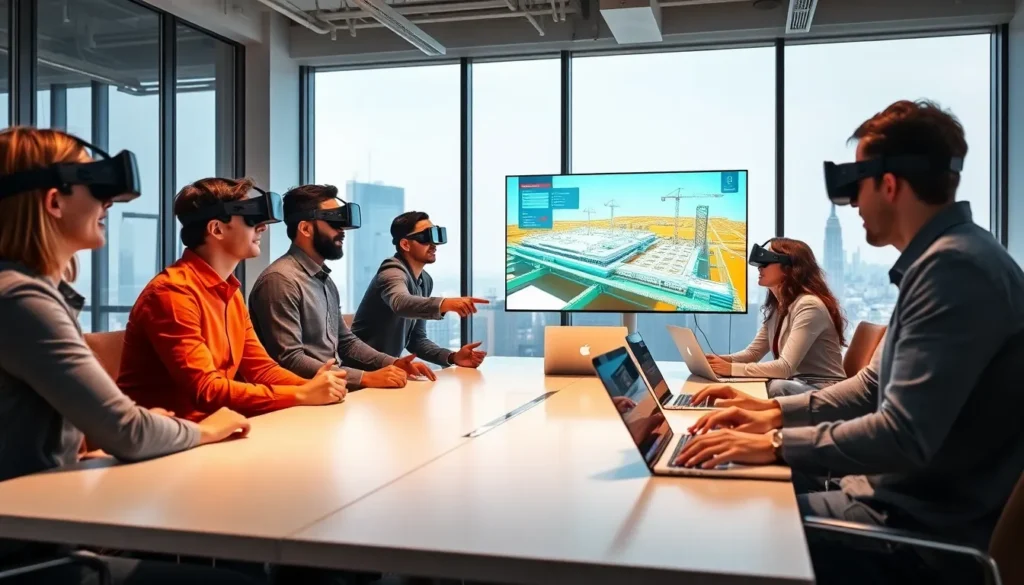
Imagine walking into a room where your wall transforms into a painting, your table turns into a screen, and your coffee mug begins giving you updates about the stock market, all without a magic wand. Welcome to the world of augmented reality (AR), where experts are turning everyday experiences into extraordinary adventures. If you’ve ever wondered who these tech wizards are and what they bring to the table, you’re in for a treat. In this text, we investigate into the intriguing world of augmented reality experts, exploring their roles, skills, and the future that they’re shaping. Grab your headset, it’s about to get exciting.
Understanding Augmented Reality
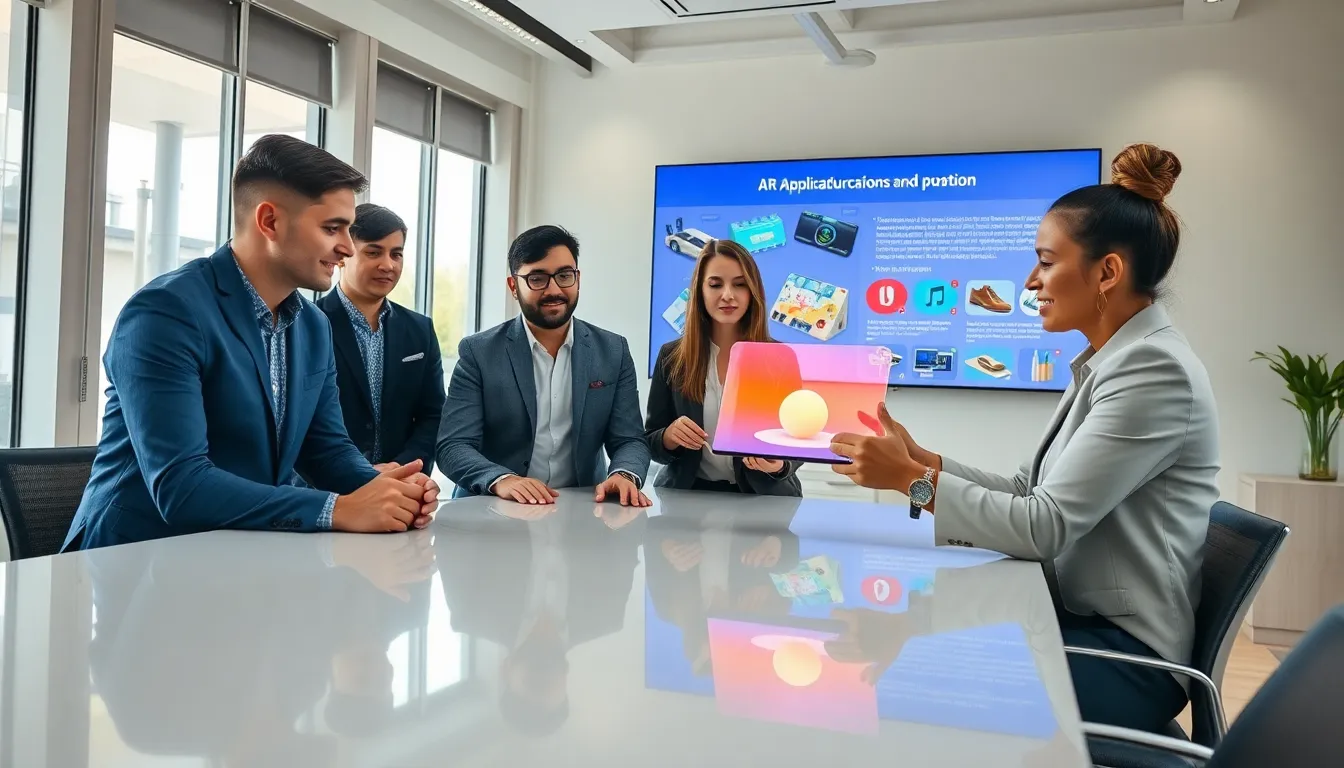
Augmented reality refers to the technology that superimposes computer-generated images, sounds, or other data onto the real world. Unlike virtual reality, which immerses users in a completely digital environment, AR enhances our physical surroundings by adding layers of information. Think of it like your trusty GPS that not only tells you where to go but also shows pedestrian crossings and traffic signals right before your eyes. AR applications range from interactive gaming experiences to educational tools and industrial applications. Even in retail, customers can visualize how a product would look in their own space before they make a purchase decision.
The Importance of Augmented Reality in Today’s World
In today’s tech-savvy environment, augmented reality holds immense significance across various industries. Education has transformed with AR, providing students with hands-on experiences by visualizing complex concepts, like the solar system or human anatomy, in 3D. In healthcare, surgeons practice complex procedures with AR overlays that provide critical information in real-time. Marketing teams use AR for immersive campaigns, enabling customers to interact with products before buying. As we see the technology become more accessible and cost-effective, the reliance on AR for training, marketing, and customer engagement will soar. With its ability to enhance learning and improve training quality, it’s no wonder AR is fast becoming a vital component of business strategy.
Key Skills of Augmented Reality Experts
Becoming an augmented reality expert requires a unique blend of technical savvy and creative prowess. Firstly, a solid foundation in software development is crucial. Experts frequently use platforms like Unity or ARKit to create their experiences. Familiarity with 3D modeling is also essential: sculpting digital assets can make or break an augmented reality project. On top of that, skills in UX design go a long way, after all, if users can’t easily navigate the AR landscape, they’ll likely abandon the experience altogether. Analytical skills are imperative as well: experts must evaluate user feedback and data to refine their creations continually. Collaborating effectively with cross-functional teams adds another layer of complexity but is equally important. By combining these skills, augmented reality experts craft experiences that are not only functional but engaging.
Career Paths in Augmented Reality
The field of augmented reality is burgeoning, opening up a wealth of career paths. Professional titles may vary from AR Developer to Interaction Designer, and the list keeps growing. Developers use programming skills to create applications and 3D environments. Designers focus on the visual aesthetics and user experience, ensuring that every interaction captivates and engages users. Product Managers in AR oversee project development from inception to execution, liaising between development teams and stakeholders. Even marketing roles have begun to focus on AR, incorporating it into campaigns to improve user engagement. For those looking for future opportunities, an AR career path is not just a job: it’s a chance to be on the cutting edge of technology.
Top Companies Hiring Augmented Reality Experts
As the demand for augmented reality continues to grow, various companies are actively seeking AR professionals. Global giants like Apple and Google are leading the charge, integrating AR into their products and services. Startups in the AR space, like Magic Leap, and established names like Microsoft with its HoloLens, are also creating impactful technologies that require skilled experts. Automotive companies are exploring AR for navigation and heads-up displays, making opportunities available in traditionally non-tech industries as well. As sectors such as education, retail, and gaming increasingly adopt AR technologies, the hiring landscape remains robust, opening doors for those ready to jump into this exciting field.
Future Trends in Augmented Reality
The future of augmented reality is bright, with several trends emerging that will shape its trajectory. First, the integration of AR with artificial intelligence is set to revolutionize how we interact with our environment. Imagine wearing glasses that not only superimpose information but also learn your preferences over time. Also, advancements in hardware, like lighter headsets and improved graphics capabilities, will make AR experiences even more immersive. The role of AR in the metaverse cannot be overlooked either, as more social and collaborative platforms begin incorporating AR tools and environments. Finally, with 5G technology paving the way for ultra-fast connections, the delivery of high-quality AR experiences will become smoother, eventually transforming both personal and professional engagements.

