
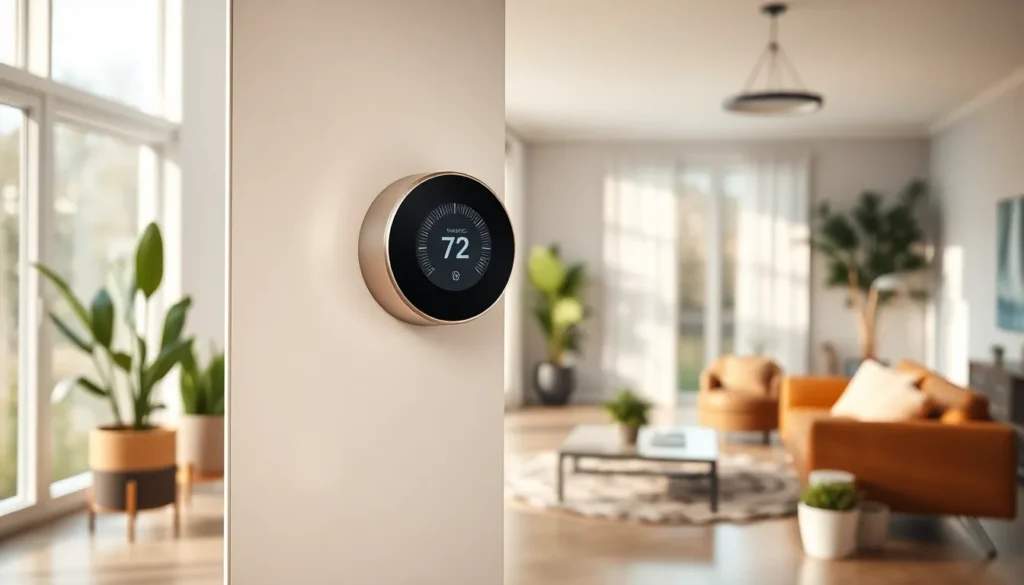
Imagine a world where your coffee machine knows just how strong you like your brew, while your thermostat adjusts the temperature before you even step through the door. Welcome to the realm of IoT sensor networks, where everyday objects come alive with intelligence. These networks are like the secret sauce that turns mundane devices into smart companions, making life not just easier but also a tad more entertaining.
Overview of IoT Sensor Networks
IoT sensor networks consist of interconnected devices that collect and exchange data. These networks enable real-time monitoring and control across various applications. Smart homes, healthcare systems, and industrial automation rely heavily on these technologies.
Temperatures, humidity levels, and other environmental factors can be tracked through these sensors. Each device functions autonomously yet communicates with a central system for analysis. As devices share information, they enhance decision-making processes.
Energy efficiency plays a critical role in IoT sensor networks. They optimize the use of resources, lowering consumption and costs. For instance, smart thermostats adjust heating based on occupancy patterns, resulting in significant energy savings.
Security also becomes a focal point in these networks. Sensors can detect unauthorized access and alert users immediately. This proactive approach helps safeguard sensitive environments.
The data generated by these networks supports predictive maintenance. By analyzing trends, organizations can identify potential failures before they occur. Manufacturers, for example, minimize downtime by addressing issues proactively.
Different protocols govern communication within IoT sensor networks. MQTT and CoAP are common choices, ensuring efficient data transfer. Such protocols help maintain compatibility among various devices and systems.
Scalability is essential for the growth of IoT applications. Network designs can accommodate more devices without sacrificing performance. This flexibility allows seamless integration as new technologies emerge.
Data analytics enhances the utility of information gathered from sensors. Advanced algorithms process this data, delivering valuable insights. Businesses benefit from improved operations and customer satisfaction.
Overall, IoT sensor networks represent a significant advancement in technology. They transform everyday objects into smart devices capable of intelligent interactions. The future of connectivity hinges on these innovative systems.
Key Components of IoT Sensor Networks

IoT sensor networks consist of various components that work together to create intelligent environments. These components include sensors and connectivity technologies, each playing a vital role in the functionality of the network.
Sensors
Sensors are the fundamental building blocks of IoT networks. They gather real-time data on various environmental factors, such as temperature, humidity, light, and motion. Various types of sensors exist, including temperature sensors, pressure sensors, and accelerometers, each tailored for specific applications. Sensors convert physical phenomena into electrical signals that the network can process. Placement of sensors in strategic locations enhances data accuracy and enables comprehensive monitoring. Advanced sensors integrate with other devices, making them essential for applications like smart agriculture and healthcare.
Connectivity Technologies
Connectivity technologies ensure seamless communication among devices within IoT sensor networks. Common protocols like MQTT and CoAP facilitate efficient data transmission, supporting numerous connected devices. Wireless technologies such as Wi-Fi, Zigbee, and LoRaWAN provide diverse options for data transfer, each with unique range and power consumption characteristics. The choice of connectivity often aligns with the specific requirements of the application and the environment in which devices operate. Improving connectivity enables reliable performance and scalability, allowing networks to grow as new devices and applications emerge.
Applications of IoT Sensor Networks
IoT sensor networks find applications across various sectors, significantly improving efficiency and functionality.
Smart Cities
Smart cities utilize IoT sensor networks to enhance urban living. Traffic management systems rely on real-time data from sensors to optimize traffic flow and minimize congestion. Public safety improves as surveillance cameras equipped with sensors can detect unusual activities and send alerts. Waste management also benefits, with sensors monitoring bin levels and scheduling pickups accordingly. Noise and air quality sensors provide city planners with crucial insights to address environmental concerns. These applications lead to more responsive city services and improved quality of life for residents.
Industrial Automation
In industrial automation, IoT sensor networks streamline operations and enhance productivity. Manufacturing plants employ sensors to monitor equipment performance, identifying potential malfunctions before they disrupt production. Temperature and humidity sensors in storage facilities ensure optimal conditions for perishable goods. Supply chain management leverages real-time data to optimize inventory levels and reduce waste. Insights gained from sensor data support predictive maintenance strategies, minimizing downtime and repair costs. By implementing IoT sensor networks, industries achieve greater efficiency and improved safety standards.
Challenges in Implementing IoT Sensor Networks
IoT sensor networks face various challenges that hinder optimal implementation across sectors.
Security Concerns
Security remains a top priority for IoT sensor networks. Unauthorized access to devices can lead to data breaches, compromising sensitive information. Organizations must implement robust encryption methods to secure data in transit. Regular software updates help patch vulnerabilities, reducing risks. Additionally, strong authentication protocols ensure that only authorized users can access network systems. As networks grow, maintaining security becomes more complex, requiring continuous oversight and monitoring.
Data Management
Data management poses significant challenges for IoT sensor networks. Huge amounts of data generated by sensors require efficient handling and storage solutions. Organizations need to establish clear data governance policies to maintain quality and accuracy. Real-time data processing capabilities ensure timely decision-making while avoiding bottlenecks. Moreover, integrating data from diverse sources enhances the overall usability of insights. Adopting cloud storage solutions facilitates scalability, enabling organizations to adjust their resources based on demand.
Future Trends in IoT Sensor Networks
Emerging technologies continue to shape IoT sensor networks, paving the way for advanced applications across sectors. Increased adoption of artificial intelligence and machine learning enhances the capability of these networks, allowing for smarter data analysis and decision-making processes.
The integration of 5G connectivity brings significant improvements in speed and reliability. Faster data transfer enables real-time monitoring and response, critical for applications such as autonomous vehicles and smart manufacturing.
Edge computing plays a vital role as well. By processing data closer to its source, these networks minimize latency and reduce bandwidth usage. This approach allows devices to function efficiently, even in remote locations with limited connectivity.
Sustainability becomes increasingly important in future developments. Energy-efficient sensors and renewable energy sources reduce the overall environmental impact of IoT deployments. Organizations prioritize energy harvesting technologies to extend battery life and lower maintenance costs.
Interoperability remains crucial as more devices connect to networks. Standardized protocols promote seamless integration among various devices, enhancing functionality while supporting diverse ecosystems. The rise of open-source platforms aids in this trend, facilitating collaboration among manufacturers and developers.
Security advancements also shape the future landscape of IoT sensor networks. As threats evolve, organizations integrate advanced encryption techniques and multi-factor authentication methods. Continuous monitoring and regular updates help protect sensitive data from unauthorized access.
Fostering user trust becomes essential as IoT sensor networks expand. Transparent data usage policies and robust privacy regulations reassure users about how their data is collected and utilized. By prioritizing user education, organizations improve the overall acceptance and adoption of these innovative technologies.
The evolution of IoT sensor networks marks a transformative shift in how everyday devices interact and function. By enabling real-time data collection and analysis, these networks enhance efficiency across various sectors, from smart homes to industrial automation.
As organizations navigate the challenges of security and data management, the focus on robust solutions becomes paramount. Future advancements in AI, machine learning, and 5G connectivity promise to further elevate the capabilities of IoT sensor networks.
Ultimately, embracing these technologies not only streamlines operations but also fosters a sustainable and interconnected future where intelligent devices seamlessly integrate into daily life.

