
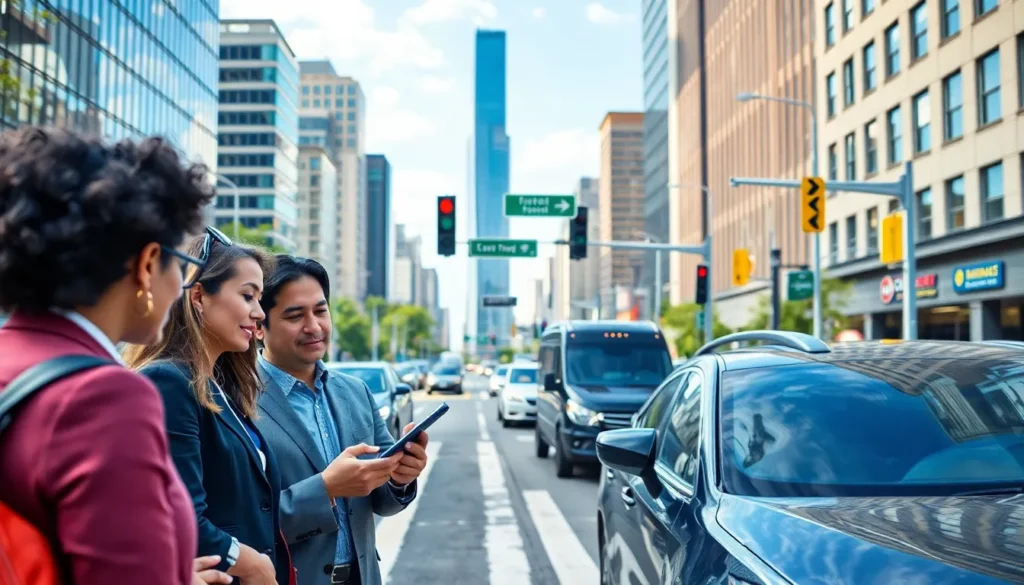
In a world where traffic jams feel like a second job and GPS systems seem to have a mind of their own, IoT transport solutions swoop in like a superhero with a cape. These smart technologies are transforming the way we navigate our cities, turning chaotic commutes into seamless journeys. Imagine a world where your car knows the fastest route, your bus arrives on time, and you can even track your pizza delivery in real-time—now that’s what we call a win-win!
With the Internet of Things revolutionizing transport, it’s not just about getting from point A to point B anymore. It’s about making the journey enjoyable, efficient, and maybe even a little less frustrating. Buckle up as we dive into the exciting realm of IoT transport solutions, where connectivity meets convenience and every ride is an adventure waiting to unfold.
Overview of IoT Transport Solutions
IoT transport solutions leverage interconnected devices to enhance efficiency and drive innovation in the transportation sector. These systems collect and analyze data in real-time, providing critical insights into traffic patterns, vehicle performance, and passenger behavior. Using these insights, city planners and transport authorities can make informed decisions that improve urban mobility.
Smart sensors deployed on vehicles and infrastructure track location and speed. This tracking allows for dynamic route adjustments based on current traffic conditions. As a result, passengers receive accurate arrival times and optimal routes, significantly reducing travel times.
Vehicle-to-vehicle and vehicle-to-infrastructure communications facilitate improved road safety. For example, if a vehicle encounters a hazard, it can alert nearby vehicles, minimizing the risk of accidents. Data-driven insights also enable predictive maintenance, allowing fleets to address potential issues before they escalate into costly repairs.
Moreover, IoT transport solutions contribute to sustainability efforts. By optimizing routes and encouraging efficient driving behaviors, these systems help lower emissions and fuel consumption. The transition to electric and connected vehicles further enhances these environmental benefits, making urban transport more sustainable.
Various industries, including logistics and public transport, benefit from IoT transport solutions. For logistics companies, real-time tracking of shipments improves supply chain transparency and customer satisfaction. In public transport, smart ticketing systems streamline payments and enhance the passenger experience, making commuting faster and more convenient.
The integration of IoT technologies in transport not only enhances travel experiences but also supports broader urban development goals. As cities become more connected, the potential for innovation in transportation continues to grow, leading to smarter and more efficient transit ecosystems.
Benefits of IoT in Transportation
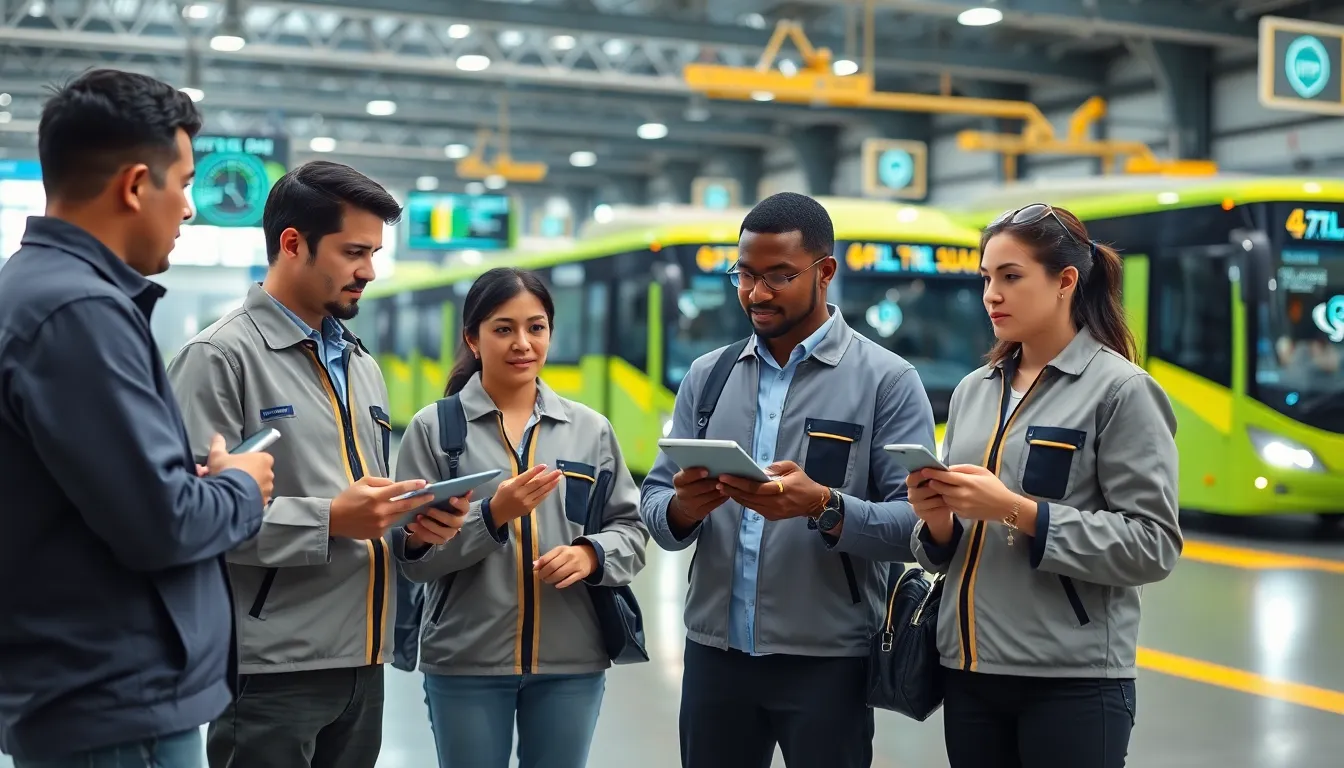
IoT technologies offer substantial advantages in the transportation sector, significantly improving operations and travel experiences.
Enhanced Efficiency
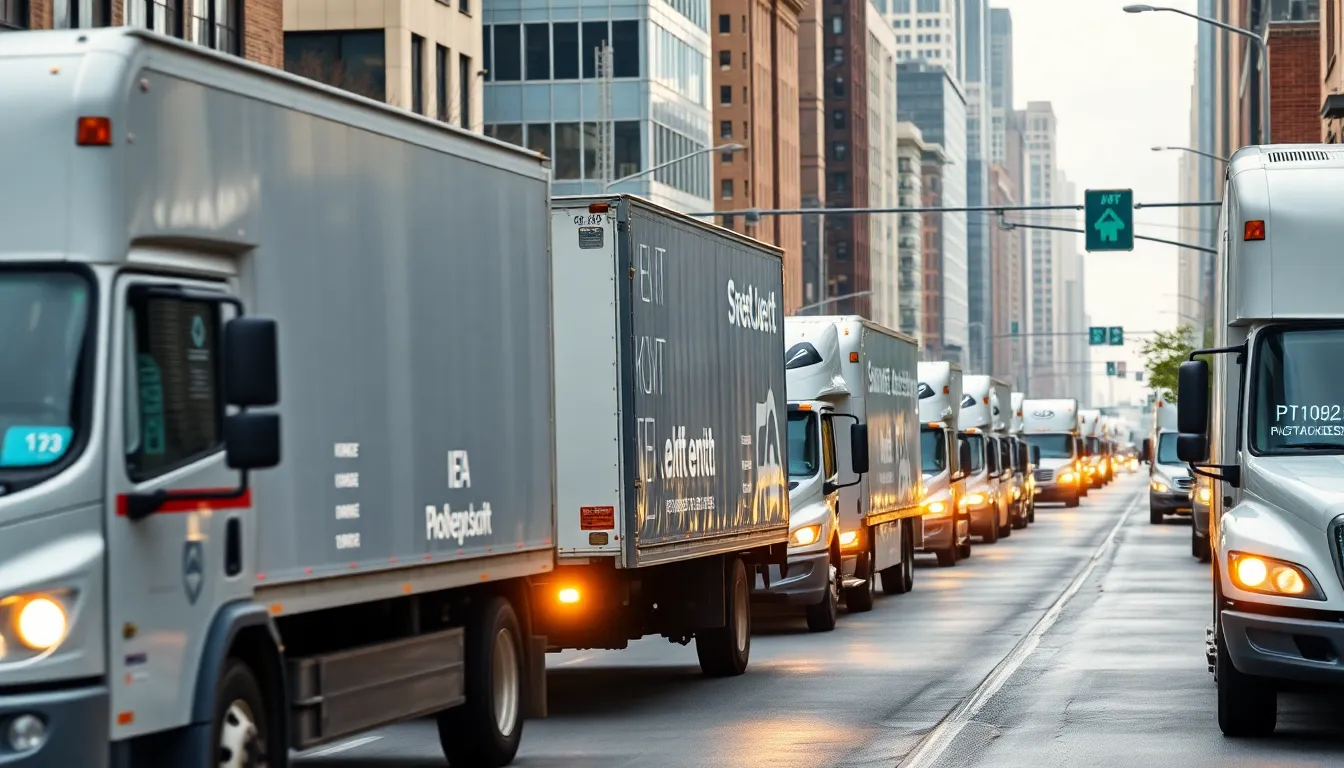
Smart devices streamline transportation processes, making them more efficient. Sensors monitor vehicle performance and environmental conditions, allowing for timely adjustments. Fleet managers use collected data to optimize routes and schedules, which reduces fuel consumption by up to 20%. Real-time insights into traffic and weather also enable dynamic changes, decreasing idle times and enhancing overall system performance. Regular analysis of this data leads to continuous improvement in transport operations, ultimately resulting in cost savings for companies and better experiences for passengers.
Real-Time Tracking
Real-time tracking revolutionizes logistics and public transportation industries. With GPS and IoT integration, companies can monitor their assets’ exact locations at any moment. Customers gain access to accurate delivery times, enhancing transparency and satisfaction. Additionally, passengers benefit from real-time updates on transit schedules, reducing wait times and uncertainty. Using this technology, organizations can also identify delays quickly and implement corrective actions to maintain service quality. Such capabilities not only increase operational reliability but also foster trust between service providers and users.
Key IoT Technologies in Transport
IoT technologies play a crucial role in transforming the transportation landscape. These innovative solutions enhance efficiency and improve passenger experiences through connectivity and data utilization.
Sensors and Devices
Smart sensors monitor various parameters, providing real-time information on vehicle health, environmental conditions, and traffic patterns. These devices collect data on speed, location, and fuel consumption, enabling transport authorities to make timely adjustments. For instance, adaptive traffic signals optimize traffic flow based on real-time conditions. Additionally, vehicle-mounted sensors ensure safety by detecting obstacles and potential collisions, helping drivers navigate more safely. The integration of these sensors in vehicles and infrastructure creates an interconnected system that enhances urban mobility and reduces delays.
Data Analytics and AI
Data analytics and artificial intelligence process vast amounts of information generated by IoT devices. By analyzing traffic trends, these technologies identify congestion points and predict future issues, allowing for proactive measures. AI algorithms enable dynamic route optimization, tailoring routes based on current traffic conditions and commuter demand. Furthermore, predictive maintenance utilizes analytics to foresee potential vehicle failures, minimizing downtime and operational costs. Leveraging data insights leads to smarter decision-making by transport agencies, enhancing overall transportation strategies and passenger satisfaction.
Challenges Facing IoT Transport Solutions
IoT transport solutions face numerous challenges that impact their effectiveness and adoption in the transportation sector. Key issues include security vulnerabilities and integration difficulties.
Security Concerns
Security stands as a major concern for IoT transport solutions. Hackers may exploit vulnerabilities within interconnected devices, leading to potential data breaches or unauthorized access to vehicle systems. Protection against cyber threats becomes crucial as the number of connected devices increases. Industries must prioritize implementing robust security protocols, such as encryption and authentication measures. Additionally, ensuring continuous monitoring of IoT networks can help prevent and respond to security incidents efficiently. Establishing industry standards for security practices can also enhance user trust.
Integration Issues
Integration issues emerge when connecting various IoT devices and platforms within transportation systems. Disparate technologies may not communicate effectively, leading to inefficiencies and data silos. A comprehensive framework for standardization facilitates smoother integration of devices and data sources. Collaborating with technology providers ensures compatibility across systems and enhances interoperability. Furthermore, addressing legacy systems can improve the transition to IoT solutions, allowing for more efficient data exchange and streamlined operations. Investing in training for personnel enhances their ability to adapt to new technologies, ensuring seamless adoption of IoT solutions in transportation.
Future Trends in IoT Transport Solutions
Innovative applications of IoT transport solutions are emerging. Integration of advanced technologies such as 5G networks enhances connectivity for real-time data transfer. Smart infrastructure solutions, including intelligent traffic lights, adjust based on real-time traffic conditions, optimizing urban flows.
Connected vehicles will increasingly communicate, enabling vehicle-to-everything communications. This capability allows vehicles to share essential data with other vehicles and infrastructure, improving safety and efficiency on the roads. Enhanced analytics will continue to process the massive data generated by these interactions, enabling quicker responses to traffic patterns and behavioral shifts.
Autonomous vehicles are on the horizon, relying heavily on IoT for navigation and control systems. Incorporating AI into these vehicles allows for adaptive learning from real-world conditions, leading to improved safety features. Increased reliance on sustainability means that electric vehicles will utilize IoT solutions for real-time energy management, extending battery life and optimizing charging schedules.
Implementing blockchain technology can provide secure and transparent data sharing among transport stakeholders. This approach enhances trust in supply chains, particularly in logistics sectors. Additionally, greater emphasis will be placed on user privacy, prompting developers to integrate more robust security measures.
Urban air mobility is gaining attention, with IoT technologies enabling drone logistics and passenger transport. Ensuring efficient flight paths and air traffic management will depend on seamless data integration.
Future trends confirm that IoT transport solutions are crucial in shaping smart urban environments. By focusing on innovative technologies and seamless connectivity, transport systems will evolve into more sustainable, efficient, and safer ecosystems.

