

In a world where robots have already taken over mundane tasks, like folding laundry and preparing your morning coffee, one area that’s seen the first steps toward automation is cleaning services. Enter Janitorial AI, the superhero of the cleaning industry. This technology is not just vacuuming under the couch, it’s optimizing workflows, enhancing efficiency, and yes, even fighting germs like it’s on a mission from above. If you’ve ever wondered how a bit of tech can turn a mop into a magic wand, buckle up. Because we’re diving into the transformative world of Janitorial AI.
What Is Janitorial AI?
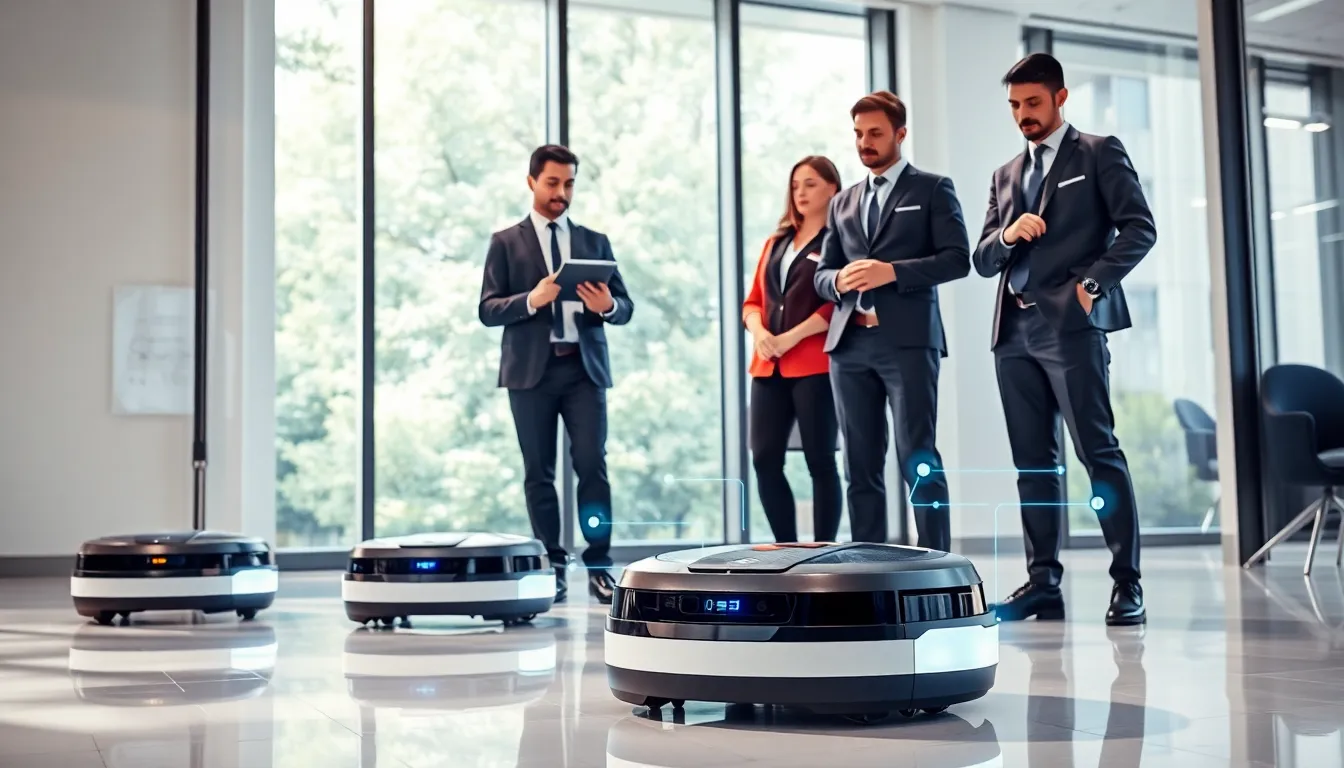
Think of Janitorial AI as a brainy box of cleaning tricks. It refers to the application of artificial intelligence technologies specifically designed to streamline and enhance cleaning services. This innovative tech can manage everything from scheduling cleaning shifts to maintaining inventory of cleaning supplies. It’s like having a robotic assistant who never takes a coffee break, always on call and ready to tackle whatever mess might come its way.
Janitorial AI operates through various technologies like computer vision, machine learning, and IoT (Internet of Things). Whether it’s analyzing patterns of foot traffic to suggest optimal cleaning times or utilizing smart sensors to detect dirt levels, this technology brings a level of precision that human cleaners simply can’t match.
But let’s be honest. It’s not just about intelligence: it’s about implementation. While the concept sounds fascinating, its deployment in real-world scenarios reveals a picture as vibrant as a freshly cleaned window and as complex as a high-tech jam session.
Benefits of Implementing Janitorial AI
The benefits of introducing Janitorial AI to cleaning services are as clear as a glove-cleaned floor. First off, let’s talk efficiency. By automating scheduling and field management, cleaning companies can allocate their human resources more effectively, ensuring that tasks are tackled at the right time without wasting strategies.
Next in line is cost savings. You might think tech comes with a hefty price tag, but in reality, Janitorial AI reduces labor costs over time and minimizes waste by optimizing supply usage. Plus, with predictive maintenance features, equipment repairs can be handled before they become budget-busting catastrophes.
And don’t underestimate the benefit of data analytics. Janitorial AI can provide insights on cleaning performance, client feedback, and even employee efficiency, enabling businesses to refine their strategies continually. In a nutshell, this technology transforms cleaning services from reactive to proactive, much like switching from a slow cooker to an instant pot.
Key Features of Janitorial AI Solutions
When evaluating Janitorial AI solutions, one might wonder what distinguishing features to look for. Here’s a roundup:
How Janitorial AI Enhances Efficiency
Janitorial AI systems effectively leverage automation for scheduling tasks, tracking inventory, and analyzing cleaning patterns. By using sensors and cameras, these systems gather important data that help cleaning teams pinpoint spots that need more attention, so ensuring no corner is left untouched.
Case Studies: Successful Implementations
A leading healthcare facility implemented Janitorial AI to maintain stringent hygiene standards. By utilizing autonomous cleaning robots and smart sensors to monitor cleanliness, they reduced infection rates significantly. Another retail giant turned to this tech to improve customer experience. With tailored cleaning schedules based on customer traffic, sales surged as the retail space maintained a spotless reputation.
Challenges and Considerations for Adoption
Of course, implementing Janitorial AI isn’t all rainbows and clean floors. Several challenges exist. For starters, the upfront costs of technology can be daunting, particularly for smaller businesses. There’s also the learning curve for staff who may not be as tech-savvy as they are broom-savvy.
Also, concerns about data privacy and cybersecurity are crucial. Protecting sensitive information while using AI must be a priority, or businesses could find themselves in hot water. Finally, resistance to change can be a big stumbling block. Employees accustomed to traditional cleaning methods may need reassurance and training to embrace their shiny, new AI counterparts.
The Future of Janitorial AI
With advancements occurring at a breakneck speed, the future of Janitorial AI looks incredibly promising. Imagine AI-driven robots working alongside human teams, not as replacements but as intelligent partners in cleaning. Enhanced technologies are constantly being developed to allow machines to learn and adapt to new cleaning scenarios in real-time.
Expect upcoming trends like advanced analytics tools that tap into smart data to schedule timely, precise cleaning. Not to mention, continuous improvement in computer vision technology will lead to better navigation, allowing robots to clean even the most complex environments. The ultimate goal? A future where cleanliness becomes an effortless task achieved through collaboration between humans and machines, transforming the industry for good.

