
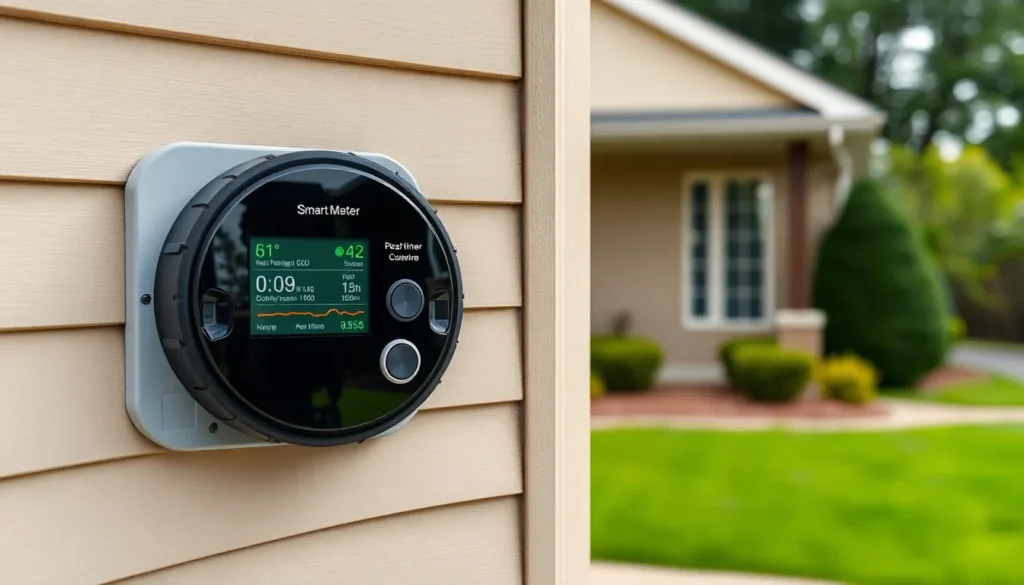
In a world where even toasters are getting smarter, it’s no surprise that energy meters have joined the intelligence revolution. Smart meters are like the brainy sidekicks of your home’s energy consumption, turning mundane utility readings into a high-tech experience. They don’t just count kilowatt-hours; they dish out real-time data, helping homeowners make sense of their energy habits.
Imagine knowing exactly how much energy that late-night Netflix binge is guzzling. With smart meters, you can wave goodbye to surprise bills and say hello to savings. They’re not just gadgets; they’re your ticket to a greener, more efficient lifestyle. So, let’s dive into the fascinating world of smart meters and discover how they can transform the way we think about energy use—because who wouldn’t want their home to be a little more, well, smart?
Overview of Smart Meters
Smart meters represent a significant advancement in energy consumption tracking technology. By offering real-time insights, these devices empower homeowners to optimize their energy use.
Definition of Smart Meters
Smart meters are electronic devices that record energy consumption in real-time. Unlike traditional meters, which rely on manual readings, smart meters transmit usage data automatically to utility providers. This technology benefits both consumers and utility companies by ensuring accurate billing and reducing estimations. Smart meters also support two-way communication between the meter and the utility, enhancing the reliability of energy management.
How Smart Meters Work
Smart meters operate by utilizing wireless communication to send consumption data to energy providers. They collect detailed information about energy usage at regular intervals, often every 15 minutes. This data enables utilities to monitor usage patterns and detect outages promptly. Homeowners can access their energy consumption data through online portals or mobile apps, allowing them to adjust usage based on real-time feedback. The integration of smart grids further enhances the functionality of smart meters, facilitating efficient energy distribution and consumption.
Benefits of Smart Meters
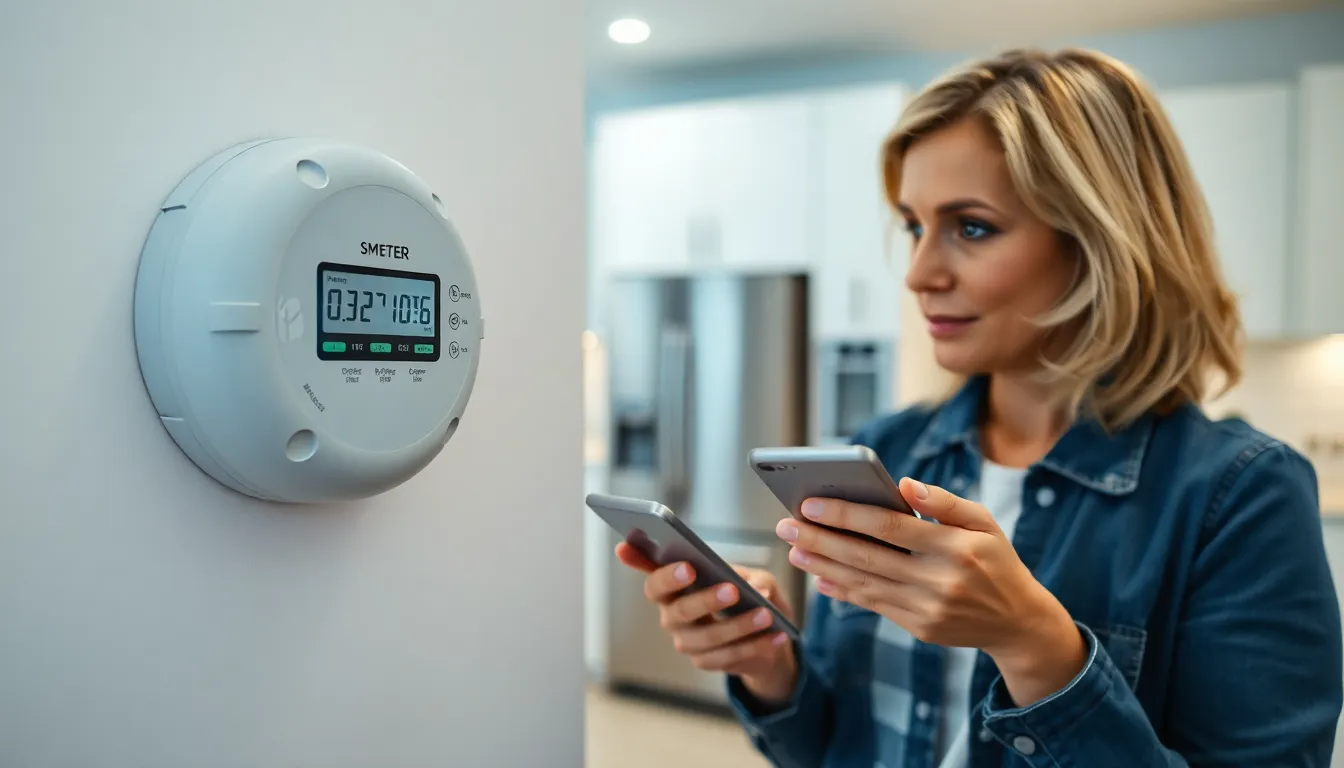
Smart meters provide numerous advantages for homeowners and utility providers. These benefits include enhanced energy efficiency and significant cost savings.
Energy Efficiency
Smart meters enable homeowners to monitor energy usage in real-time. Data provided helps in understanding peak consumption hours, allowing adjustments to energy habits. By accessing this information through apps, individuals can identify energy-intensive appliances. Changes made based on these insights contribute to lower energy consumption. Utilities gain the ability to manage energy loads effectively during high-demand periods. Enhanced communication between devices creates opportunities for smart energy management solutions.
Cost Savings
Cost savings become apparent for households that adopt smart meters. Accurate billing eliminates unexpected utility charges, ensuring fair payment for energy used. Additionally, homeowners can reduce their monthly energy bills by implementing data-driven energy usage adjustments. Over time, these changes lead to potential savings that add up annually. Programs offered by utility companies may also provide incentives for reducing consumption during peak hours. Lower energy consumption translates directly to reduced costs, benefiting both consumers and service providers.
Challenges and Concerns
Smart meters present challenges, prompting concerns among users and stakeholders. Understanding these issues is vital for optimizing energy management.
Privacy Issues
Privacy issues persist with smart meter technology. Data collected can reveal household behavior patterns, potentially leading to privacy invasions. Utilities may access detailed energy usage, which could be misused if not properly protected. Additionally, respondents express concern regarding data sharing between utility companies and third parties without consent. Implementing stronger data security measures is essential to gaining public trust.
Reliability of Data
Reliability of data from smart meters raises concerns. Sudden changes in consumption patterns may occur during outages or technical failures, leading to inaccurate readings. Users rely on this data for budgeting and analyzing energy consumption, making precision crucial. If smart meters transmit incorrect data, financial discrepancies might arise on utility bills. Ongoing maintenance and updates help ensure system reliability, addressing these critical issues for consumers.
Smart Meter Implementation
Smart meter implementation involves several key steps and real-world examples that showcase its effectiveness.
Steps to Installing Smart Meters
Installation begins with utility providers assessing the infrastructure needs. Next, they schedule visits to homes and businesses, ensuring a seamless transition. After that, technicians replace old meters with smart devices, typically in less than an hour. Homeowners receive guidance on using the new system and accessing their energy data. Lastly, periodic checks ensure meters function correctly, maintaining reliable service throughout the lifespan of the device.
Case Studies of Successful Implementation
One notable case is the city of San Diego, which reported a 10% reduction in energy consumption after switching to smart meters. Utilities observed that consumers adjusted their usage patterns based on real-time energy data, leading to significant savings. Another example comes from Chicago, where smart grid technology, paired with smart meters, enhanced grid reliability by reducing outage response times by 30%. These case studies illustrate the potential benefits of smart meter implementation for both consumers and utility providers.
Future of Smart Meters
The future of smart meters promises continued advancements in energy management and consumption. These innovations focus on enhancing both user experience and utility efficiency.
Technological Innovations
Next-generation smart meters utilize advanced communication technologies. Internet of Things (IoT) integration allows continuous data exchange, fostering more efficient energy usage. Enhanced sensors are being developed to improve accuracy in readings. Cloud computing capabilities facilitate seamless data storage and access. Artificial intelligence algorithms can analyze usage patterns, predicting user needs and optimizing consumption. Utilities may adopt these innovations to streamline services further.
Market Trends
The market for smart meters is experiencing steady growth globally. In North America, the smart meter installation rate is projected to reach over 75 million by 2025. Many utility companies are transitioning from traditional meters to smart technology to meet sustainability goals. Government regulations are frequently promoting smart meter adoption to enhance energy efficiency. Increased public awareness of the benefits encourages homeowners to invest in energy management solutions. Overall, the shift towards smart metering reflects a growing commitment to sustainable energy practices.
Smart meters represent a significant leap forward in energy management for homeowners and utility providers alike. By offering real-time data on energy consumption, they empower users to make informed decisions that can lead to substantial savings and a more sustainable lifestyle. While the benefits are clear, addressing privacy concerns and ensuring data accuracy remain crucial for widespread adoption. As technology continues to evolve, the integration of advanced features will enhance user experience and efficiency further. Embracing smart meters not only helps individuals manage their energy use better but also contributes to a more sustainable future for everyone.

